![J Marr logo [news]](/skin/logo-white.svg)


As populations continue to grow across many developing regions, the demand for affordable, nutritious protein is increasing.
Meeting that demand is not simply a question of producing more food. It also depends on moving food efficiently from areas of production to the markets and communities where it is needed.
For businesses involved in international food trade, this means building reliable supply chains that can operate across borders, respond to changing conditions and maintain a consistent flow of products.
A growing demand for protein
The scale of population growth helps illustrate why reliable food supply chains are becoming increasingly important.
Across many of the markets we serve in West Africa, populations have grown significantly over the past two decades. Côte d'Ivoire's population reached almost 32 million in 2024, compared with around 22 million in 2000. Ghana's population increased to more than 34 million, from around 19 million, while Burkina Faso's population almost doubled to approximately 23.5 million. Nigeria has seen similarly significant growth, increasing from around 123 million in 2000 to more than 230 million in 2024. World Bank – Population data
This growth is expected to continue. The United Nations' World Population Prospects 2024 projects that the population of sub-Saharan Africa will increase by 79% between 2024 and 2054, reaching approximately 2.2 billion people. UN World Population Prospects 2024
A larger population does not automatically mean greater reliance on imported food. Domestic agriculture, fishing, food production and processing all have important roles to play. However, where local supply cannot fully meet demand, international trade provides an important connection between global sources of food and the markets that need it.
Connecting supply with demand
Global food production is not evenly distributed. Different regions have different climates, resources, fishing grounds, agricultural capabilities and levels of domestic production.
International trade helps bridge that gap.
Frozen fish and other proteins can be sourced from established production regions and transported to markets where demand is strong. For developing economies experiencing population growth, reliable international supply can play an important role in maintaining availability.
At J. Marr (Seafoods) Ltd., this is at the heart of what we do.
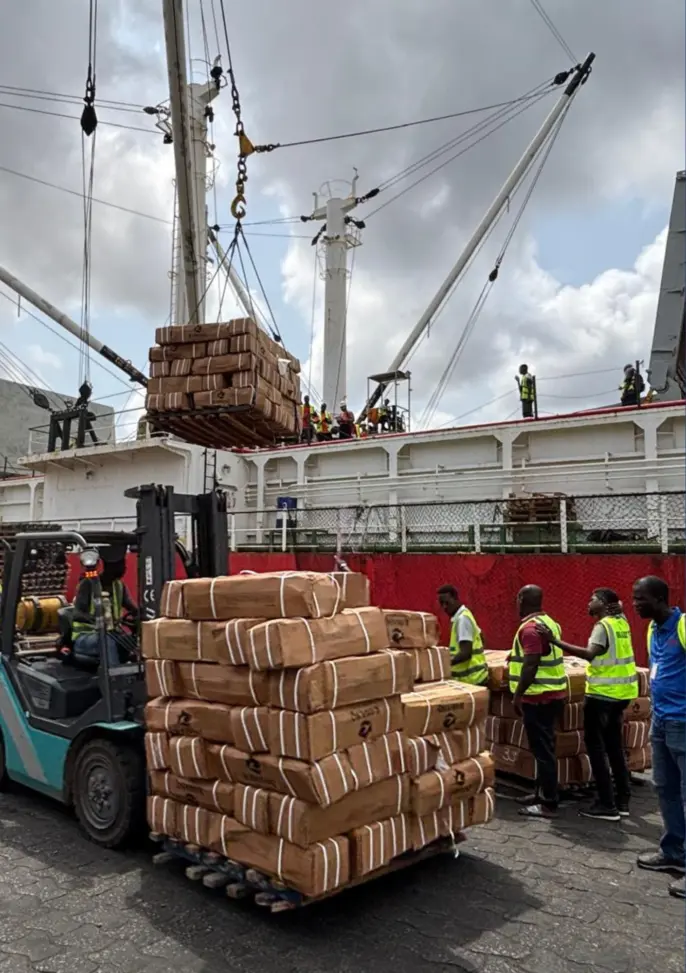
Our international trading network connects suppliers and customers across multiple continents, helping move frozen protein from producers to markets around the world.
Why frozen protein matters
Frozen food plays an important role in international supply chains because it can be stored and transported over longer distances while maintaining its quality.
This creates greater flexibility between the point of production and the point of consumption. Fish caught in one part of the world can be supplied to customers thousands of miles away, helping markets access products that may not be available locally or consistently throughout the year.
For growing populations, that reliability matters.
A dependable supply chain can help businesses plan with greater confidence, manage fluctuations in availability and continue supplying customers when conditions in individual markets change.
The importance of reliable supply chains
International food trade is not without its challenges.
Weather, fishing seasons, quotas, freight availability, geopolitical events, currency movements and changes in demand can all affect global supply.
This makes relationships particularly important.
Long-term partnerships between suppliers, traders, logistics providers and customers help create supply chains that are more responsive and resilient. Understanding where products come from, how markets are changing and how supply can be moved efficiently allows businesses to make better decisions when circumstances change.
At J. Marr, our role is not simply to buy and sell products. It is to connect supply and demand, using our market knowledge and international relationships to help keep products moving.
A global network with local understanding
Successful international trade depends on understanding both sides of the supply chain.
Knowing where demand is growing, understanding customer requirements and maintaining strong relationships with suppliers around the world all help create a more effective supply network.
Our experience across international markets allows us to identify opportunities, manage changing conditions and match supply with demand.
Population growth, urbanisation and changing consumer habits are all influencing where and how food is produced, traded and consumed. As these trends continue, international supply chains will remain an important part of meeting demand.
Building a more connected food supply
Feeding a growing global population will require many different approaches, from increasing domestic production and improving agricultural efficiency to reducing food waste and strengthening international supply chains.
Trade is one part of that wider picture.
By connecting producers with markets, international food businesses can help make nutritious protein available where it is needed, while creating opportunities for producers to reach customers beyond their domestic markets.
For J. Marr, that connection has been at the centre of our business for more than 45 years.
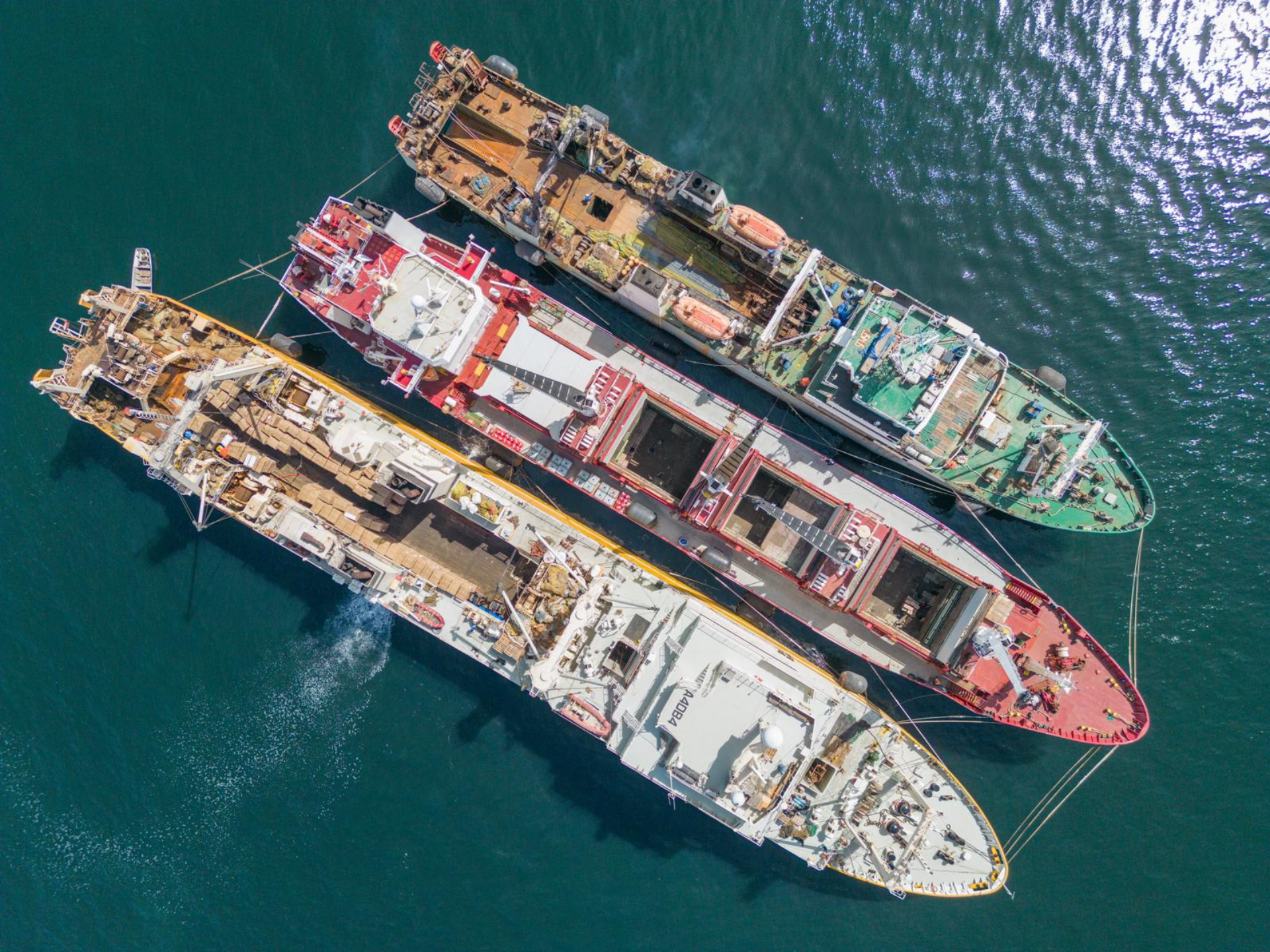
We continue to work across international markets, building trusted relationships and connecting producers with customers to help keep frozen protein moving around the world.
Because ultimately, international trade is about more than moving products from one country to another.
It is about connecting supply with demand, building reliable relationships and helping food reach the people and markets that need it.